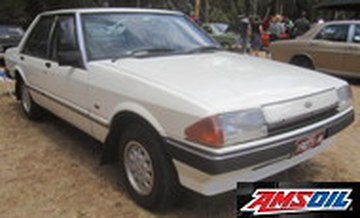
Engine Oil Maintenance for the 1983 Ford Fairmont 3.3L
Maintaining the lubrication system is a fundamental aspect of vehicle upkeep. For owners of a 1983 Ford Fairmont with the 3.3L engine, understanding which components are listed for your specific application ensures that you can perform routine service tasks effectively. Proper oil management helps maintain engine cleanliness and supports the mechanical integrity of internal components over time.
What oil filter is listed for my 1983 Ford FAIRMONT 3.3L?
The following oil filters are listed for this vehicle: the EAO15-EA from AMSOIL Ea Oil Filters and the 51515-EA from WIX Oil Filter.
Understanding Engine Oil Functions
Engine oil serves several critical roles within an internal combustion engine. Primarily, it provides a thin film of lubrication between moving metal parts, such as pistons, crankshaft bearings, and camshafts, to reduce friction and wear. Beyond lubrication, the oil also assists in thermal management by carrying heat away from high-temperature zones within the engine block and cylinder head. Additionally, oil acts as a cleaning agent, picking up microscopic debris, soot, and combustion byproducts, which are then captured by the oil filter during circulation.
The Role of the Oil Filter
The oil filter is a vital component of the lubrication circuit. As oil circulates through the engine, it passes through the filter to remove contaminants that could otherwise cause abrasive wear on sensitive engine surfaces. When selecting a replacement, refer to the specific part numbers listed for your vehicle to ensure you are using a component intended for this application. A clean, functional filter is necessary to maintain consistent oil pressure and to prevent the buildup of sludge or particulate matter within the lubrication passages.
Monitoring Oil Levels and Condition
Regularly checking the engine oil level is a simple but essential maintenance task. Using the vehicle's dipstick, you can verify if the oil level is within the appropriate range. It is important to check the oil when the engine is in a stable state, typically after it has been running and then allowed to sit for a few minutes so the fluid can settle in the pan. In addition to checking the quantity, observe the physical condition of the oil. Darker or thicker oil may indicate that the fluid has reached the end of its service life or is heavily contaminated with combustion byproducts.
Managing Oil Changes
Changing the engine oil and replacing the filter is a core part of routine maintenance. To determine how often these services should be performed, you must consult your owner's manual or follow the manufacturer's recommended maintenance schedule. Adhering to these established intervals helps ensure that the lubricating properties of the oil are not compromised by oxidation or contamination. During an oil change, it is standard practice to replace the filter at the same time as the oil to ensure the new fluid enters a clean system.
Maintaining System Integrity
Beyond the oil and filter themselves, the entire lubrication system relies on the integrity of seals, gaskets, and hoses. Periodically inspecting the area around the oil filter housing, the oil pan gasket, and the valve cover for signs of weeping or active leaks can prevent significant oil loss. Small leaks can lead to low oil levels, which may cause increased friction and heat within the engine. Keeping the engine bay relatively clean also makes it easier to spot new leaks early before they become major issues.
What transmission fluid is listed for my 1983 Ford FAIRMONT 3.3L?
The following fluids are listed for this vehicle:
- ATFPK-EA — Signature Series Multi-Vehicle Synthetic Automatic Transmission Fluid
- OTFQT-EA — OE Multi-Vehicle Synthetic Automatic Transmission Fluid
What differential or gear-lubricant products are listed for my 1983 Ford FAIRMONT 3.3L?
The following gear-lubricant products are listed for this vehicle:
- SEVERE GEAR® 80W-90 (AGLPK-EA)
- SEVERE GEAR® 75W-90 (SVGPK-EA)
- SEVERE GEAR® 75W-110 (SVTPK-EA)
BUYING ENGINE OIL
When you are ready to purchase lubrication for your vehicle, focus on selecting products that meet the requirements of your specific engine. Always verify that any oil you select is appropriate for your application by checking the manufacturer's guidelines or your owner's manual. When shopping, look for reputable brands and ensure the packaging clearly identifies the product intended for use in your vehicle type to avoid errors during the refill process.